 Web Fic
Novel info
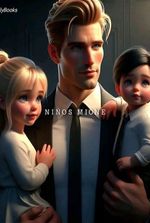
I Quit Being a StepMother

Summary & Review: “The Forgotten Wife” (based on your story)
This story grips the heart with its emotional realism and layered relationships. It delivers a powerful commentary on love, memory, and the cruel fragility of trust. Rhea’s quiet resilience will stay with readers long after the last page — a reminder that sometimes, the truest strength is found not in fighting, but in enduring.
The Jamison Group’s grand celebration marks not only a triumph of business but also the beginning of emotional devastation for one woman — Rhea Ravelle Jamison. Married to the brilliant and ambitious Carter Jamison, Rhea is the image of grace, devotion, and quiet strength. She raised his two children as her own, rebuilt his shattered reputation beside him, and became the foundation of the perfect family everyone admired. But in a single evening, that picture-perfect illusion begins to crack.
At the peak of Carter’s success, the woman from his past reappears — Lauren Thayer, his long-lost fiancée and the biological mother of his twins. Her sudden arrival at the celebration sends ripples of shock through the crowd, and Rhea’s world begins to tilt on its axis. The woman Carter once believed gone forever — the woman everyone thought dead or vanished — now stands trembling and tearful, begging only to see her children.
Carter’s reaction is immediate and instinctive. The moment he sees Lauren, every ounce of composure vanishes. His eyes soften, his tone gentles, and his attention — once wholly Rhea’s — shifts completely toward Lauren. In that instant, Rhea realizes just how fragile her place in this family truly is.
Lauren’s reappearance is wrapped in tragedy and mystery. She claims she disappeared out of love, burdened by illness and poverty, afraid to hold Carter back after the downfall of both their families. Her words are humble, her demeanor pitiful, and before long, everyone — including Carter — begins to see her as the true victim.
But beneath Lauren’s fragile exterior lies quiet manipulation. Step by step, she begins reclaiming space — first sympathy, then access to the children, and finally, Carter’s emotional loyalty. When she insists on bonding with the twins, Rhea, ever patient and composed, agrees despite her inner turmoil. Yet the attempt ends in disaster — a broken glass jar, a bleeding child, and a twisted version of the truth that paints Rhea as jealous and cruel.
The scene is painfully intimate. Rhea rushes to tend to her daughter Arielle’s wounded foot, her hands trembling but skilled. Lauren weeps and blames herself, while subtly implying that Rhea’s “hatred” caused the accident. Carter, blinded by guilt and nostalgia, turns on Rhea in front of everyone: “If you have a problem with Lauren, bring it to me. Why take it out on the kids?”
It is a crushing blow — one that breaks Rhea’s spirit but not her dignity. She continues to care for the twins, who instinctively cling to her, calling her “Mom” even as Carter tries to force them to acknowledge Lauren as their “one and only mother.” The children’s loyalty becomes Rhea’s only comfort — and the strongest proof of where real love lies.
Lauren, meanwhile, plays her part to perfection — trembling, apologizing, then withdrawing at just the right moment to win Carter’s sympathy again and again. Her every move drives a deeper wedge between husband and wife. The people around them begin to whisper: the perfect Mrs. Jamison isn’t even the real mother of those twins. And Carter — overwhelmed by the resurfacing of old emotions — begins to forget who truly stood by him during his darkest years.
Rhea’s quiet heartbreak unfolds beautifully in contrast to Lauren’s melodramatic fragility. She doesn’t scream, doesn’t fight — but every glance, every forced smile, and every quiet word reveals the depth of her pain. When Carter declares that Lauren will now take care of the children instead of her, the betrayal becomes almost unbearable. Yet Rhea still prioritizes the twins, bandaging Arielle’s wound with steady hands, whispering comfort even as her own heart shatters.
The story reaches a poignant emotional height when the twins, confused and frightened, turn to Rhea for reassurance. “She’s not our mom! Our mom is right here!” little Adrian cries, gripping Rhea’s hand tightly. Arielle echoes him with tears of her own. “The one who loves us most is Mom. It’s Rhea, not anyone else.”
Those innocent words cut deeper than any adult’s accusation. In that moment, the truth of motherhood — the kind built on love, sacrifice, and years of care — shines brighter than bloodlines. But Carter, trapped in guilt and nostalgia, can’t see it.
Through careful writing and vivid emotional tension, this story becomes much more than a tale of love and betrayal. It is a raw, powerful exploration of what it means to be a mother, a wife, and a woman standing in the shadow of another’s past.
Carter’s character is complex — torn between gratitude toward the woman who rebuilt his life and lingering love for the woman who vanished from it. His actions are frustrating, yet painfully human. He is a man consumed by guilt, not cruelty — but his inability to see beyond appearances costs him the trust of the one person who truly stood by him.
Rhea’s strength lies in her silence. She is not loud or vengeful; her quiet endurance makes her heartbreak all the more moving. Readers can’t help but root for her — not because she’s perfect, but because she represents a kind of love that asks for nothing and gives everything.
Lauren, on the other hand, is a masterful antagonist wrapped in sympathy. She doesn’t need to lie outright — she simply lets others draw their own conclusions. Her every tear, every trembling apology, is perfectly timed. She is dangerous not because she’s evil, but because she’s believable.
Stylistically, the narrative is smooth and cinematic. The transitions between party glamour and emotional tension are seamless. The pacing is deliberate — giving readers time to breathe between heartbreaks — yet every scene builds toward something sharper, something more devastating. The dialogue, particularly between Carter and Rhea, captures years of buried resentment and love in just a few lines.
What makes the story exceptional is the way it balances morality and emotion. There are no easy villains — only flawed people making desperate choices. Yet readers can feel the deep injustice in how easily a woman’s years of devotion can be erased by one tearful return from the past.
In the end, The Forgotten Wife (as this story could aptly be titled) isn’t just about betrayal — it’s about recognition. It asks a haunting question: Is motherhood defined by birth… or by love?
As the final scenes unfold, and Carter’s words “one and only mother” echo in the background, readers are left with a burning ache for Rhea — the woman who gave everything and was still asked to step aside.































































































































































































































































































































































































































![Forbidden Seduction [ Forbidden Obsession]](https://webfic.blog/media/novel_150_223/forbidden-seduction-forbidden-obsession.jpg)
































































































































































































































































































































































































































































![Emotionless Woman [English]](https://webfic.blog/media/novel_150_223/emotionless-woman-english.jpg)






![Her Raging Flame [English Version]](https://webfic.blog/media/novel_150_223/her-raging-flame-english-version.jpg)













































































































































































































































































































































































































































































































































































































































































































































































































































































































































































































































































































































What do you think?
Total Responses: 0